
Calculate Your Meal Calories
Get precise nutrition information for your meals
Nutrition Summary
Free Online Meal Calorie Calculator for Weight Loss & Daily Tracking
Our free online meal calorie calculator is the perfect tool for weight loss and daily meal tracking. Whether you’re in the UK, Australia, India, or anywhere else, this comprehensive meal calorie calculator helps you track nutrition, lose weight, and achieve your health goals with precision.
Whether you’re looking to lose weight, maintain your current weight, or even gain muscle mass, understanding and tracking your caloric intake is fundamental to success. Let’s explore why calorie counting works, how it transforms your relationship with food, and how you can use it effectively for lasting results.
The Science Behind Calorie Counting and Weight Loss
At its core, weight management follows a simple scientific principle: energy balance. Your body weight changes based on the relationship between calories consumed and calories burned.
Caloric Deficit = Weight Loss
When you consume fewer calories than your body burns, you create a caloric deficit. Your body then uses stored fat for energy, resulting in weight loss.
Calories Burned – Calories Consumed = Deficit
The 3,500 Calorie Rule
Approximately 3,500 calories equals one pound of body fat. Creating a daily deficit of 500 calories typically results in losing 1 pound per week.
500 calories/day deficit = 1 lb/week loss
Precision Matters
Research shows that people typically underestimate their caloric intake by 20-40%. Accurate tracking eliminates guesswork and ensures consistent progress.
Tracking increases awareness by 50-70%
7 Powerful Benefits of Tracking Your Meal Calories
Beyond weight loss, calorie counting offers numerous benefits that transform your entire approach to nutrition and health:
🎯 Creates Accountability
Tracking calories makes you conscious of every food choice. You’ll think twice before reaching for that extra snack when you know you’ll have to log it.
📚 Educates About Nutrition
You’ll quickly learn which foods are calorie-dense and which are nutrient-dense. This knowledge helps you make better food choices instinctively.
📏 Controls Portion Sizes
Calorie counting naturally teaches proper portion control. You’ll develop a better understanding of appropriate serving sizes.
🍕 Allows Food Flexibility
No food is off-limits when you track calories. You can enjoy treats while staying within your daily caloric goals.
📈 Provides Data-Driven Results
Track your progress objectively. You’ll see exactly what works and what doesn’t, allowing for precise adjustments.
💪 Builds Healthy Habits
The act of tracking develops mindful eating habits that often persist even after you stop counting calories.
🧠 Improves Mental Relationship with Food
Understanding calories removes the mystery and fear around food, leading to a healthier psychological relationship with eating.
How Calorie Counting Accelerates Your Weight Loss Journey
Calorie counting doesn’t just help you lose weight—it optimizes the entire process for faster, more sustainable results:
🎯 Eliminates Guesswork
Instead of hoping your diet is working, you’ll know exactly where you stand each day. This precision eliminates the frustrating trial-and-error period that derails many dieters.
⚡ Enables Quick Adjustments
When weight loss stalls, you can immediately identify the issue and make precise adjustments rather than starting over with a new diet.
🏆 Builds Confidence
Seeing concrete data builds confidence in your approach. You’ll trust the process even when daily weight fluctuations occur.
5 Common Calorie Counting Mistakes That Sabotage Weight Loss
Avoid these pitfalls to maximize your calorie counting effectiveness:
Forgetting to Track Everything
The Problem: Skipping “small” items like drinks, condiments, or cooking oils.
The Solution: Track every single thing that goes in your mouth, including gum and vitamins.
Hidden Calories: A tablespoon of olive oil = 120 calories!
Eyeballing Portion Sizes
The Problem: Estimating portions instead of measuring them accurately.
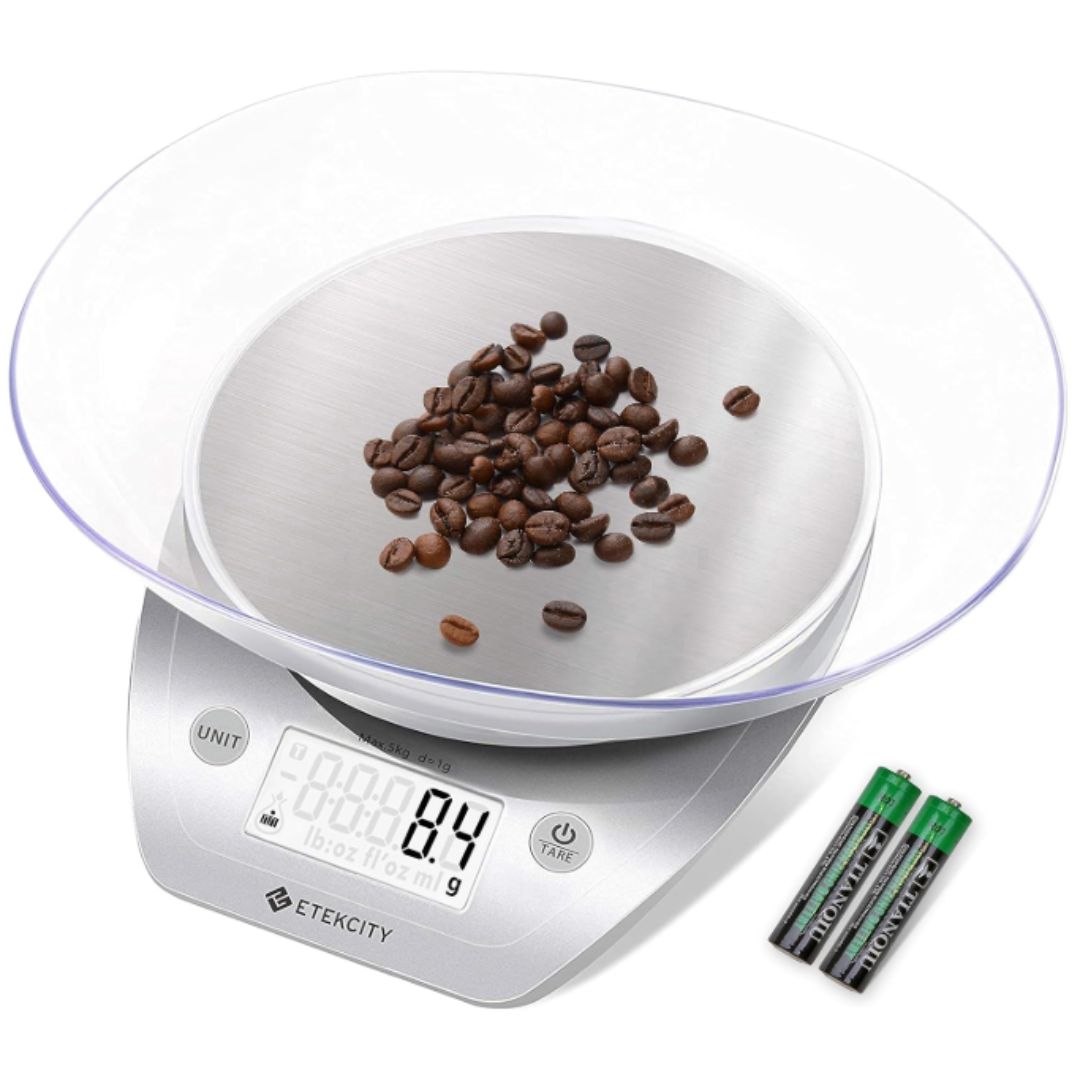
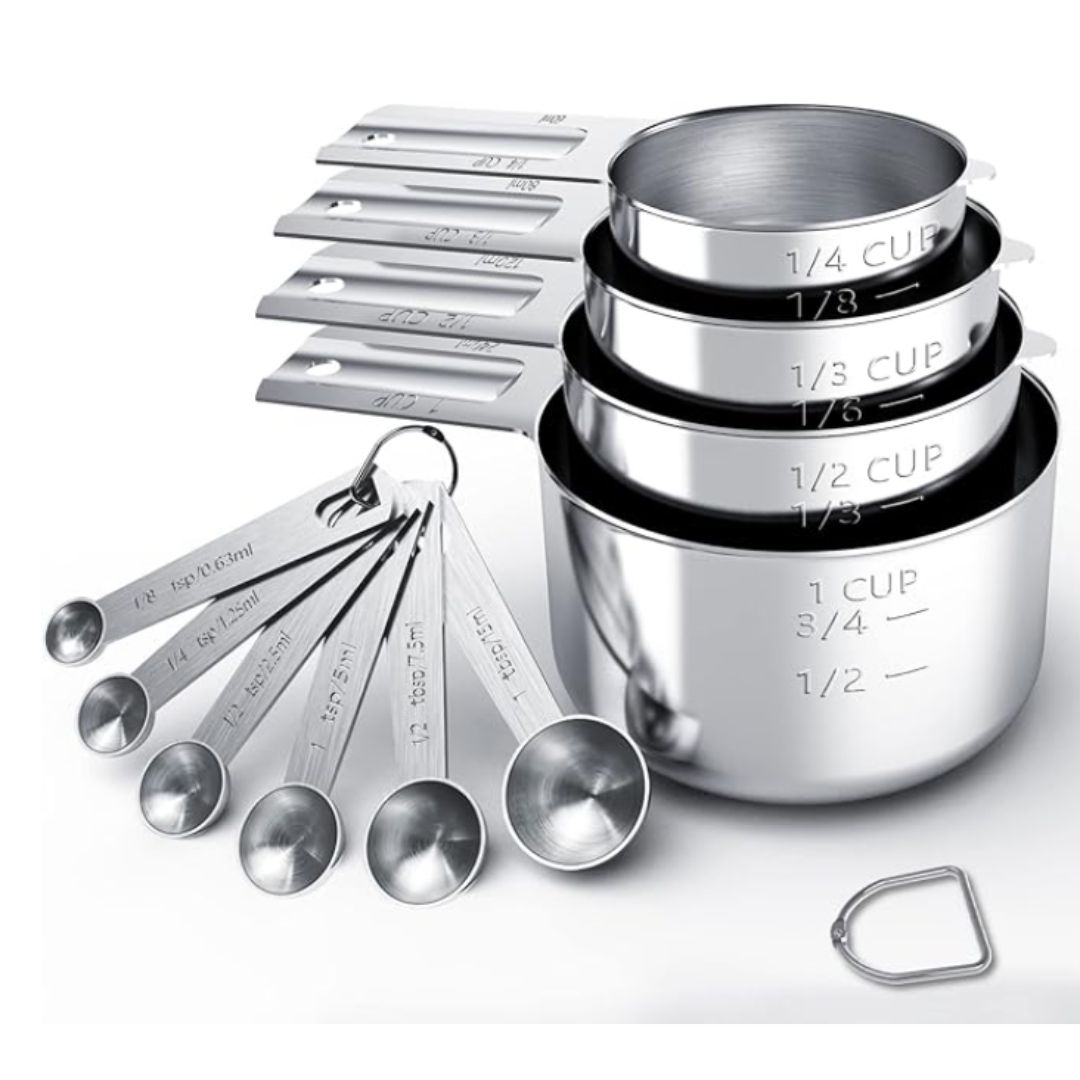
The Solution: Use a food scale, measuring cups, and learn visual portion guides.
Reality Check: Most people underestimate portions by 25-50%.
Not Accounting for Cooking Methods
The Problem: Logging “chicken breast” without specifying how it was prepared.
The Solution: Always include cooking methods—grilled, fried, baked, etc.
Big Difference: Grilled chicken (140 cal) vs. fried chicken (320 cal) per 4 oz.
Inconsistent Tracking
The Problem: Only tracking on weekdays or “good” days.
The Solution: Track every day, especially weekends and special occasions.
Weekend Reality: Many people consume 500+ extra calories on weekends.
Setting Unrealistic Calorie Goals
The Problem: Creating too large a deficit leading to hunger and binge cycles.
The Solution: Aim for a moderate 500-750 calorie daily deficit for sustainable results.
Sweet Spot: 1-2 pounds per week is optimal for lasting weight loss.
Calorie Counting Best Practices for Maximum Success
Follow these proven strategies to make calorie counting effective and sustainable:
🔧 Setup & Tools
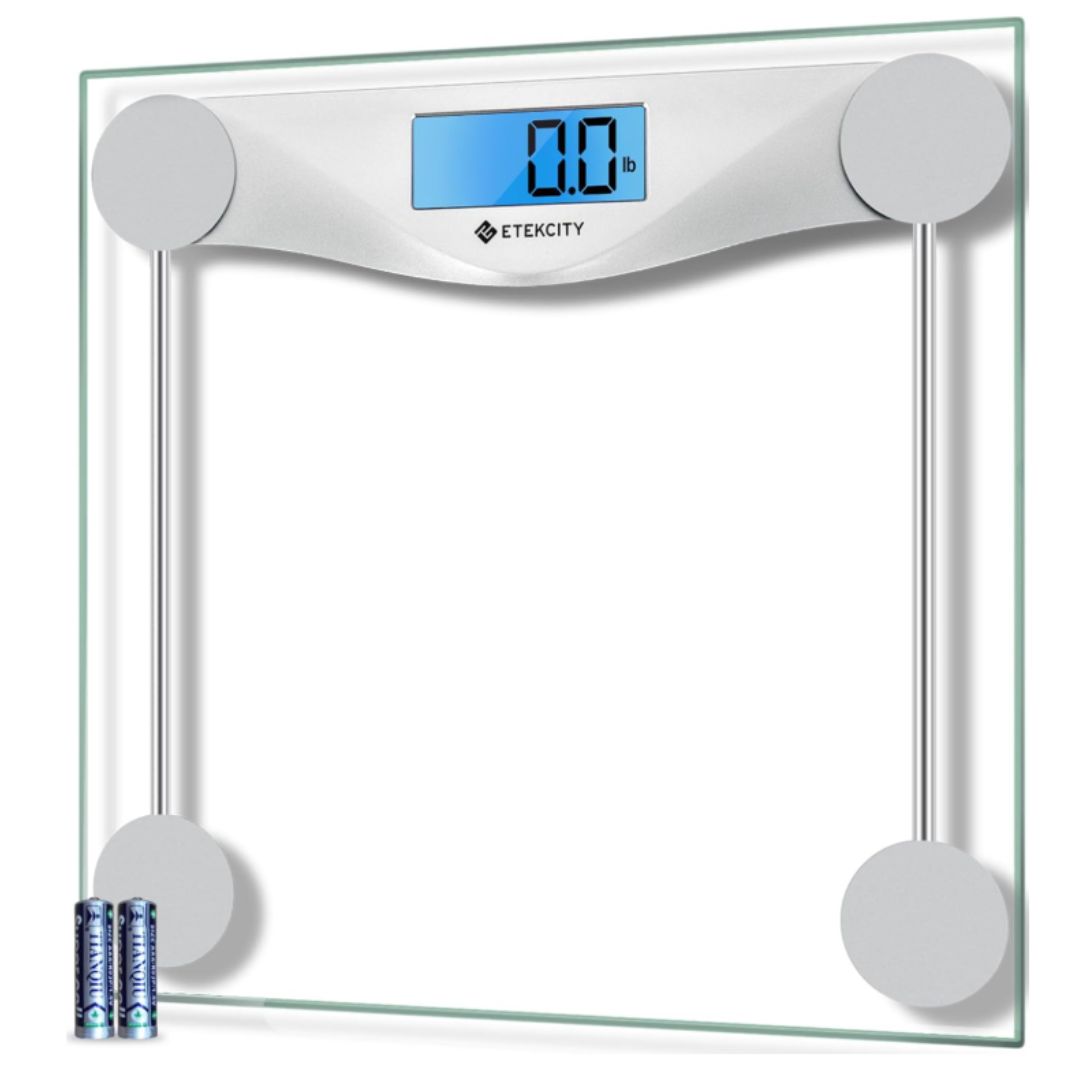
Invest in a Digital Food Scale
Weighing food is 3x more accurate than measuring by volume. A quality scale costs $15-25 and pays for itself quickly.
Use Our Meal Calorie Calculator
Our calculator above accounts for cooking methods and provides accurate nutritional breakdowns for complete meals.
Prepare Measuring Tools
Keep measuring cups, spoons, and a food scale easily accessible in your kitchen.
📝 Tracking Strategies
Track Before You Eat
Log your food before consuming it. This creates awareness and prevents overeating.
Plan Your Day
Pre-log your meals each morning. This ensures you stay within your calorie goals and prevents impulsive food choices.
Create Meal Templates
Save frequently eaten meals in our calculator to speed up daily tracking.
🎯 Mindset & Sustainability
Focus on Progress, Not Perfection
Aim for 80% accuracy rather than perfect tracking. Consistency beats perfection every time.
Learn and Adapt
Use your calorie data to identify patterns and make informed adjustments to your eating habits.
Plan for Special Occasions
Bank calories during the week for weekend events, or simply track and get back on track the next day.
Ready to Start? Your 7-Day Calorie Counting Quick-Start Guide
Transform this knowledge into action with our step-by-step guide:
🎯 Set Your Goals
- Calculate your daily calorie needs
- Set a realistic deficit (500-750 calories)
- Download our meal calculator or tracking app
- Get a food scale and measuring tools
📝 Start Tracking
- Track everything you eat for 2 days
- Don’t change your eating habits yet
- Focus on accuracy and learning the process
- Identify your highest-calorie foods
⚖️ Create Your Deficit
- Start eating within your calorie goal
- Pre-plan your meals each morning
- Make small swaps to reduce calories
- Track your weight and measurements
🚀 Start Your Journey Today
Use our meal calorie calculator above to begin tracking your first meal. Remember, every expert was once a beginner—your transformation starts with that first logged meal.
Frequently Asked Questions About Calorie Counting
How accurate do I need to be with calorie counting?
Aim for 80-90% accuracy. Perfect tracking isn’t necessary—consistency matters more than perfection. Most successful people track accurately on weekdays and estimate reasonably on weekends.
Will calorie counting slow down my metabolism?
Moderate calorie deficits (500-750 calories) cause minimal metabolic slowdown. Extreme restriction can reduce metabolism, which is why gradual, sustainable approaches work best for long-term success.
How long should I count calories?
Most people benefit from tracking for 3-6 months to learn portion sizes and develop healthy habits. Many choose to track long-term for maintenance, while others use it periodically to stay on track.
Is this meal calorie calculator free to use online?
Yes, our meal calorie calculator is completely free to use online. No downloads, apps, or subscriptions required. Simply input your meal ingredients and get instant nutrition calculations.
Can I use this meal calorie calculator for weight loss?
Absolutely! Our meal calorie calculator is specifically designed for weight loss tracking. It helps you monitor daily caloric intake, create deficits, and make informed food choices for sustainable weight loss.
Does this work as a daily meal calorie calculator?
Yes, use our calculator daily to track every meal. Build meal templates for frequently eaten foods and monitor your daily caloric intake patterns for consistent nutrition management.
What if I go over my calorie goal for the day?
One day won’t derail your progress. Simply return to your calorie goal the next day. You can also “bank” calories by eating slightly less earlier in the week if you know you have a special event coming up.
Your Calorie Counting Success Starts Today
Calorie counting isn’t just about restriction—it’s about empowerment. It gives you the knowledge and tools to make informed decisions about your nutrition while still enjoying the foods you love.
The science is clear: people who track their caloric intake are significantly more successful at losing weight and keeping it off. Our meal calorie calculator above makes this powerful tool accessible and easy to use.
Ready to Transform Your Health?
Start by calculating the calories in your next meal using our calculator above. Your future self will thank you for taking this important first step toward a healthier, more confident you.
Scientific References
- Burke, L. E., et al. (2011). Self-monitoring in weight loss: a systematic review of the literature. Journal of the American Dietetic Association, 111(1), 92-102.
- Wing, R. R., & Phelan, S. (2005). Long-term weight loss maintenance. The American Journal of Clinical Nutrition, 82(1), 222S-225S.
- Lichtman, S. W., et al. (1992). Discrepancy between self-reported and actual caloric intake and exercise in obese subjects. New England Journal of Medicine, 327(27), 1893-1898.
- Hall, K. D., et al. (2011). Quantification of the effect of energy imbalance on bodyweight. The Lancet, 378(9793), 826-837.